“We need somebody to handle all this.”
Marcus Ellery said it with both hands on a conference table, gesturing at a stack that included a radio contract, a billboard proof, a monthly report full of numbers he couldn’t explain, and a printout of a web page he didn’t recognize with his own company’s name on it.
Wrenfield Heating & Plumbing is twenty-two years old. Marcus started it in Toledo with one van and a phone he answered himself, fixing furnaces. It grew because he was reliable and because he answered the phone. Eleven vans now. The work is good. The marketing is the problem, though it took him a while to say so.
Twelve years ago he bought time on a morning radio show. The host talks about Wrenfield the way a neighbor would, and people mention it when they call. So when the station’s rep offered more, Marcus said yes: a digital package from the station’s media branch, online ads, a billboard on the commute. One rep, nothing to manage. Nearly ninety-five cents of every marketing dollar now goes to one company.
The radio spot offers a $79 furnace tune-up to anyone who mentions the show. The offer is nowhere else: not on the website, not in the online ads, not on the billboard, not on a single printed piece. The online ads don’t lead to his website at all. They lead to a page the media branch built, with a phone number that isn’t his. The website itself hasn’t changed since the man who built it was sent a line of tracking code to paste in. And the eleven vans, out in Toledo’s neighborhoods all day, carry the name in small letters and, on three of them, a phone number that was disconnected years ago.
Marcus has a service manager, a dispatcher, and an office manager who pays the invoices. What he doesn’t have is anyone whose job is the whole.
The walk-through at Wrenfield found familiar problems. That was the finding. The website had the search problem, a small version of a story the other engagements here have already told.
None of that was the disease. What the look actually surfaced:
The show was sound, and nothing touched it. The morning show worked: the dispatcher had booked more than two hundred tune-ups from it in a year. But a listener who looked Wrenfield up found no mention of what he had just heard.
The package worked apart from everything he owned. About a third of its fee reached the ad platforms. The clicks went to a page Marcus didn’t own and the calls to a number he didn’t own. The monthly report counted them as conversions. His dispatch system couldn’t tell which ones they were. The contract said the page could never be moved to another host, and that the credits he was given at signing came due if he left early.
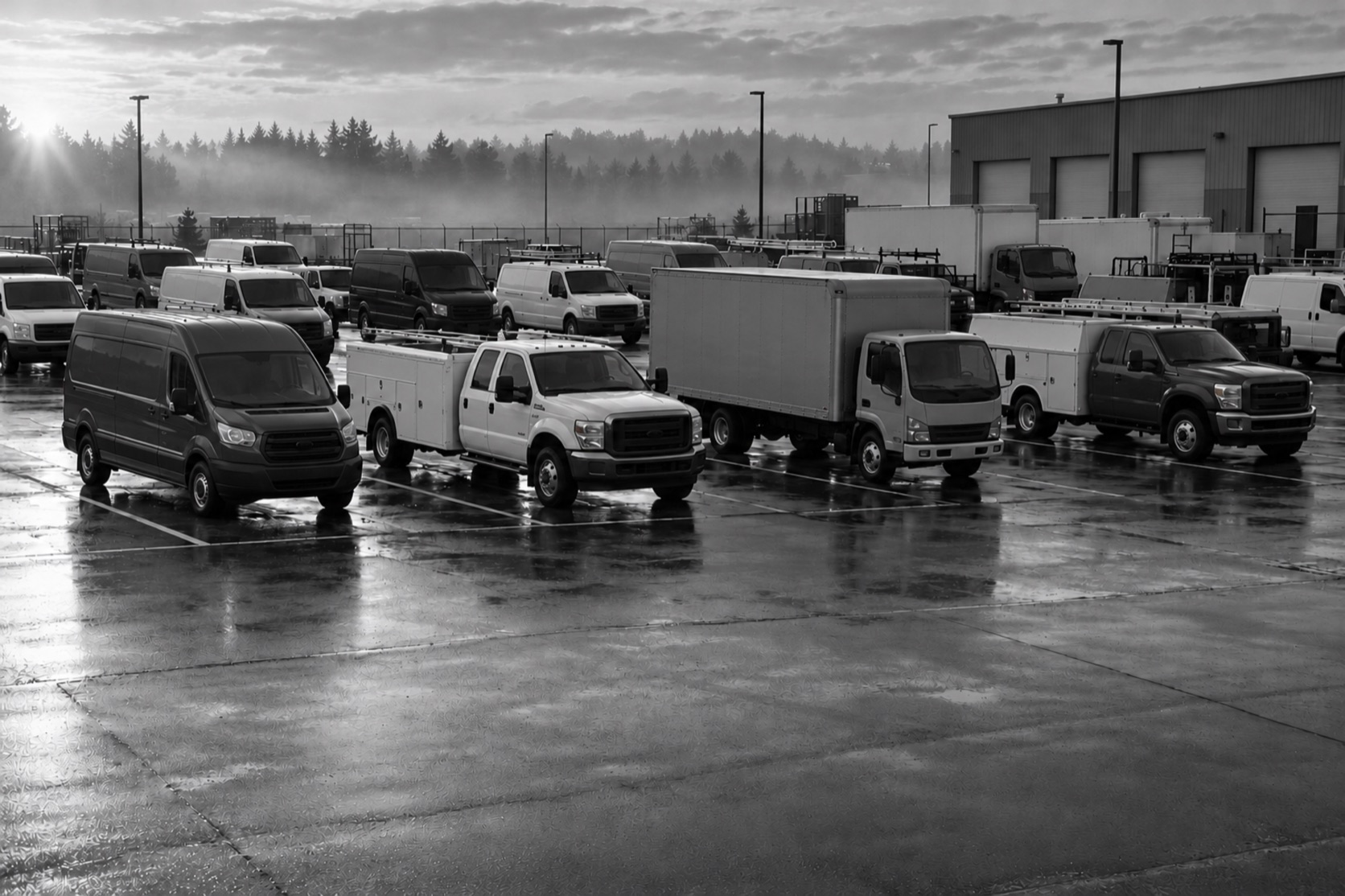
The vans were advertising, and nobody treated them as advertising. Eleven of them, parked in customers’ driveways all day, on streets full of houses with the same furnaces. He was renting one billboard by the month and leaving eleven of his own nearly blank.
The left hand didn’t know what the right hand was doing. The radio rep wrote the offer. The media branch wrote the ads. The webmaster pasted the code. Nobody was wrong, and nobody was in charge of the whole.
One company, one vacuum. It had outgrown having nobody in charge of the whole.